In the world of skincare, "Redness Relief Serums" play a crucial role for those with sensitive or irritated skin. Dr. Emily Carter, a renowned dermatologist, states, "Finding the right serum can transform your skin by soothing redness and restoring balance." This highlights the importance of making an informed choice when selecting these products.
Different skin types respond uniquely to serums. Ingredients like chamomile and green tea extract are known for their calming effects. Understanding these components leads to better decisions. However, not every serum suits everyone. Skin reactions can be unpredictable, and what works for one might not work for another. Experimentation is often needed.
Consumers must be diligent. Reading reviews and ingredient lists becomes essential. Some serums promise quick results but can disappoint. A discerning approach, focusing on personal skin needs, will yield better outcomes. Always remember, achieving your best skin takes time and patience.
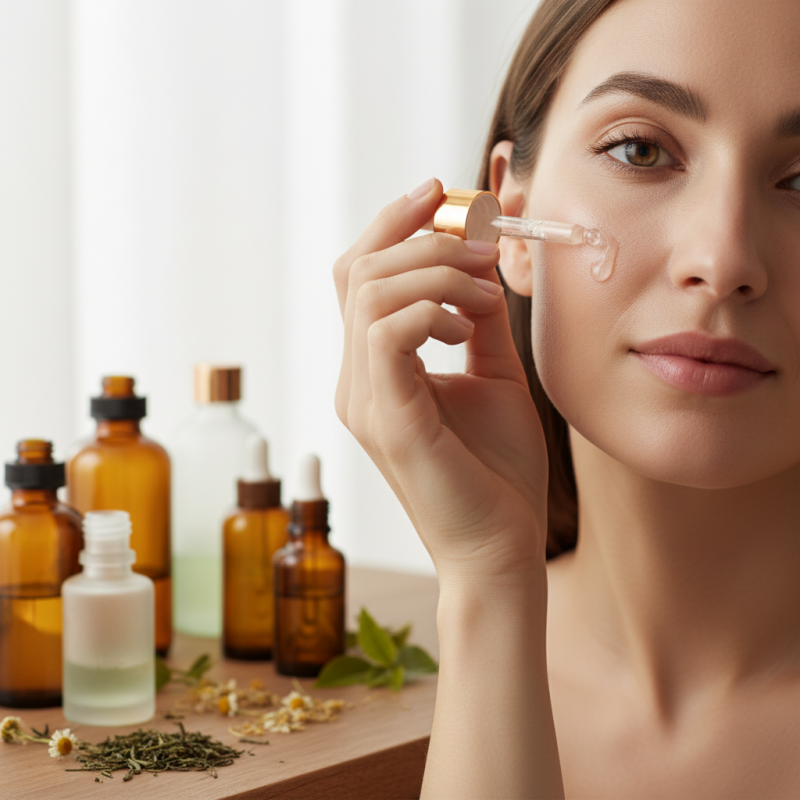
Skin redness can arise from various factors. It often signals underlying issues, including inflammation or irritation. A recent dermatology study noted that approximately 30% of adults experience skin redness at some point. Triggers can range from environmental factors, like pollution, to lifestyle choices, such as diet and stress levels.
Understanding the characteristics of skin redness is crucial for effective management. For instance, redness often varies in intensity and area, reflecting either mild irritation or a more severe condition like rosacea. According to a report from the American Academy of Dermatology, rosacea affects over 16 million Americans, with flushing as a common symptom. Identifying the type of redness can guide users in selecting appropriate treatments.
Many people mistakenly assume that all redness is the same. This misconception can lead to ineffective treatment choices. Observing how your skin reacts to specific products or environments can provide insights. Ultimately, knowing the nuances of your skin's redness will enhance your approach to relief serums.
This chart illustrates the various common causes of skin redness and their prevalence among individuals experiencing redness-related issues. Understanding these factors can help in choosing the best redness relief serums for your skin.
When it comes to redness relief serums, key ingredients can make all the difference. One proven ingredient is niacinamide. Studies show it can reduce redness and improve skin tone. It does this by calming inflammation and strengthening the skin barrier. Many consumers notice improvement in as little as four weeks.
Another important ingredient is aloe vera. It has soothing properties that can quickly relieve irritation. A report by the Journal of Dermatological Treatment states that aloe vera helps reduce redness after sun exposure. This highlights its potential for everyday use. However, some people may experience irritation from other additives.
Hyaluronic acid is often overlooked. It hydrates the skin and plumps it up. This can indirectly minimize the appearance of redness. Research indicates that well-hydrated skin is less likely to show signs of irritation. However, users should pay attention to their skin's unique reactions. Not all hydrators work for everyone. Effective redness relief requires some experimentation to find the perfect match.
Identifying your skin type is crucial before selecting a redness relief serum. Start by assessing your skin's characteristics. Do you notice dryness, oiliness, or sensitivity? These traits help define your skin type. Oily skin often appears shiny with enlarged pores, while dry skin feels tight and may show flakes. Combination skin has both oily and dry areas. Sensitive skin reacts quickly to products, often showing redness or irritation.
Next, consider how your skin reacts to different environments. Does it flare up in the sun or become irritated in cold weather? Observing these patterns is essential. Sometimes, we assume our skin is one type when it can vary. Be open to the idea that your skin may change due to seasons, stress, or hormonal fluctuations. Regularly checking in with your skin can lead to better product choices.
Don't forget to test products before committing. Apply a small amount on your wrist or behind your ear. This can prevent unwanted reactions. Remember, everyone’s skin is unique. What works for one person may not work for you. Prioritizing your skin's specific needs will guide you towards the most effective serum.
When choosing a redness relief serum, application technique greatly impacts effectiveness. Proper application ensures active ingredients penetrate the skin effectively. A study in the Journal of Cosmetic Dermatology found that layering products can significantly enhance absorption rates. Therefore, start with clean skin. Use your fingertips to apply a small amount of the serum gently. Avoid pressing too hard, as this can aggravate sensitive skin.
To maximize results, consider applying serums at night. Research indicates that the skin's repair processes peak during sleep. This allows for better absorption and minimizes daytime irritation from environmental factors. Following the serum with a lightweight moisturizer can help lock in hydration.
Another tip is to patch test new serums before full application. This helps identify potential reactions early. Sensitive skin can behave unpredictably. Spending time to observe your skin's response can save future discomfort. Measure how your skin feels over a week. If irritation occurs, reevaluate your product choices or consult a dermatologist. Adjusting your routine might take time, but your skin will thank you later.
When choosing redness relief serums, it’s crucial to read labels closely. Some common ingredients can exacerbate skin irritation or allergies. For instance, fragrances, often listed as "parfum" on labels, can trigger reactions in sensitive skin. According to a report by the American Academy of Dermatology, nearly 30% of individuals with sensitive skin experienced worsening symptoms due to added fragrances.
Another ingredient to avoid is alcohol. Many products contain denatured alcohol, which can dry out the skin. Research published in the Journal of Clinical and Aesthetic Dermatology shows that alcohol-based products can lead to increased redness over time. Instead, look for serums that prioritize hydration. Ingredients like hyaluronic acid and glycerin are gentle and effective.
Redness relief products can also contain irritants like menthol or eucalyptus oil. Although they provide a cooling sensation, these elements may aggravate existing redness. Experts recommend opting for calming ingredients like chamomile or green tea extract. These can help soothe inflammation without the risk of irritation. Selecting the right serum goes beyond marketing claims; it requires a careful examination of ingredients.
: Skin redness can be caused by inflammation, irritation, pollution, diet changes, or stress levels.
Assess your skin for dryness, oiliness, or sensitivity. Monitor how your skin reacts to different environments.
Identifying the type of redness helps choose effective treatments and avoid misconceptions about skin conditions.
Apply a small amount gently with your fingertips on clean skin. Avoid pressing too hard to prevent irritation.
Applying serums at night is ideal, as the skin repairs and absorbs ingredients more effectively during sleep.
Everyone's skin is unique. If irritation occurs, reconsider your product choice and possibly consult a dermatologist.
Apply a small amount on your wrist or behind your ear first. This helps prevent unwanted reactions.
Regularly checking in with your skin can reveal changes due to seasons, stress, or hormonal shifts, guiding better choices.
Yes, skin can change due to various factors. Be open to reassessing your skin type regularly.
Following a serum with a lightweight moisturizer can help lock in hydration and enhance serum effectiveness.
When selecting the best redness relief serums for your skin, it's essential to first understand the underlying causes and characteristics of skin redness. This includes factors such as sensitivity, inflammation, and environmental triggers. Identifying your skin type is a crucial step, as different serums cater to varying needs—whether your skin is oily, dry, or combination.
Additionally, look for key ingredients known for their soothing properties, such as chamomile, green tea extract, or niacinamide, which help calm irritated skin. It's also important to apply serums correctly for maximum effectiveness and to be cautious about the labels, avoiding products with potential irritants like alcohol or artificial fragrances. By being informed about these aspects, you can make a wise choice in your quest for effective redness relief serums.

Nativis Beauty