China Best Spa Products How to Create a Spa Routine at Home?

Time:2026-09-30 Author:Aria
0%

Creating a calming spa experience at home does not require a luxury bathroom or expensive equipment. It begins with thoughtful product choices, clean habits, and a realistic understanding of your skin’s needs. This guide explores how to create a spa routine at home using carefully selected products from China’s growing personal-care market. From mineral-rich bath salts to botanical facial masks, each item should support comfort, safety, and consistent care.

Quality matters more than appearance. Look for complete ingredient lists, clear usage instructions, sealed packaging, and trustworthy manufacturers. Products with gentle formulas may suit beginners better, especially when they contain familiar ingredients such as oat, green tea, aloe, or jojoba oil. A patch test is still essential. Natural does not always mean harmless.

Keep the routine simple. Dim the lights. Warm a soft towel. Cleanse your face, soak your feet, and apply one targeted treatment. A ten-minute pause may be enough. In my experience, overly complicated routines often become difficult to maintain. I have also learned that a fragrant product can feel relaxing while irritating sensitive skin. That deserves honest attention. Professional dermatology guidance should replace guesswork when persistent redness, itching, or pain appears.

The following sections explain how to choose, combine, and use spa products responsibly. They also consider texture, scent, packaging, ingredient transparency, and practical value. Your home spa should feel restorative, not demanding. Small improvements count.
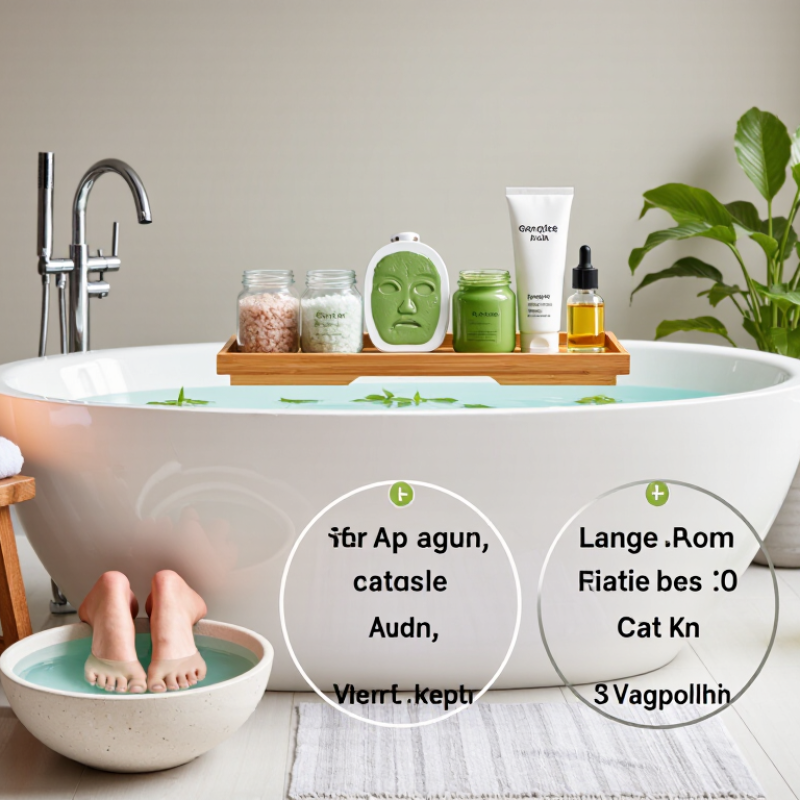
China Best Spa Products How to Create a Spa Routine at Home?

Understanding Spa Products Made in China and Their Uses

China-made spa products now cover facial masks, massage tools, bath salts, body scrubs, and essential-oil blends. Their uses vary widely, so origin alone does not prove quality. Check the ingredient list, manufacturer details, batch information, and instructions before use. ISO 22716 provides useful guidance for cosmetic good manufacturing practices. It covers production, storage, and quality control.

The Global Wellness Institute reported that the global wellness economy reached 6.3 trillion US dollars in 2023. This growth supports wider access to home-spa products, including affordable Chinese manufacturing. I use a warm towel, a gentle cleanser, and a short facial massage. A silicone tool may help spread a mask evenly, while mineral bath salts can make a simple soak feel more intentional. Results remain personal. Some products may irritate sensitive skin, despite attractive packaging and confident claims.

Tips: Patch-test new formulas for 24 hours. Use clean tools and dry them fully. Avoid mixing several active ingredients at once. Follow the stated contact time. I sometimes use too much product, which feels luxurious but wastes it. A calmer routine usually works better: ten quiet minutes, soft lighting, and one clearly labeled product. When buying from China, prefer suppliers with traceable testing documents and transparent customer-service information. OECD due-diligence principles also encourage checking supply-chain claims instead of trusting vague quality language.

Choosing Essential Products for Your Home Spa Routine

China Best Spa Products: How to Create a Spa Routine at Home?

Choosing Essential Products for Your Home Spa Routine

A practical home spa begins with gentle, reliable products, not a crowded shelf. Choose a mild cleanser, a clean towel, and a fragrance-free moisturizer. Add one targeted product, such as a clay mask or a low-strength exfoliant. Using both at once may irritate your skin. Look for clear ingredient lists, sealed packaging, usage directions, and appropriate safety information when comparing China-made spa products. “Natural” does not always mean safer.

My routine starts with warm water, soft lighting, and ten quiet minutes. I cleanse my face, apply a thin mask layer, and remove it before my skin feels tight. Then I use moisturizer on slightly damp skin. Keep the water comfortably warm. Very hot water can increase dryness and redness. A timer helps prevent overusing masks or exfoliants. Simple tools matter too: a washable headband, a small bowl, and a clean storage container reduce mess and contamination.

Patch-test new products on a small area for 24 hours when possible. Stop using them if burning, swelling, or persistent redness appears. People with eczema, acne, or sensitive skin may need advice from a qualified dermatologist. My first routine was too complicated. I bought unnecessary tools and skipped patch testing, which was a poor choice. Now I change only one product at a time and record how my skin responds. Some evenings, cleanser and moisturizer are enough. That feels less luxurious, but it is often more sensible.

Preparing Your Space and Skin for Spa Treatments

A home spa routine begins before any mask or massage. In my experience, a clean, quiet setting improves comfort and consistency. Clear one small table, wash your hands, and place fresh towels within reach. Use soft lighting, but keep the room well ventilated. A stable chair and a bowl of lukewarm water prevent awkward reaching. Small details matter. Keep your phone outside the space if possible.

Prepare your skin gently. Remove makeup and sunscreen with a mild cleanser, then pat dry with a clean towel. Do not scrub aggressively to create a “deep clean.” That habit can leave skin tight and irritated. Check each product’s ingredients and follow its stated contact time. If your skin is sensitive, test a small amount near the jawline first. Never apply exfoliants to cuts, rashes, or sunburned skin. I once used a strong exfoliating product after a hot shower and regretted it; my cheeks stayed red for hours.

Match the treatment to your skin’s current condition, not a social media trend. Dry skin may prefer a short, fragrance-free hydration step. Oily skin still needs a non-stripping routine. Keep water comfortably warm, never hot, and stop if stinging develops. Use clean tools and let them dry fully after washing. The routine may feel less luxurious when you slow down, but careful preparation makes it safer to repeat. Persistent irritation deserves advice from a qualified healthcare professional.

Following a Step-by-Step Home Spa Routine

China Best Spa Products: How to Create a Spa Routine at Home?

Following a Step-by-Step Home Spa Routine can turn a small bathroom into a calmer space. The Global Wellness Institute’s 2024 report valued the global wellness economy at $6.3 trillion in 2023. That growth reflects stronger interest in practical self-care, not only luxury treatments. Begin by washing your hands and cleaning the basin. Prepare a soft towel, a mild cleanser, warm water, and a fragrance-free moisturizer. Check each ingredient list before use. Skin can react unexpectedly.

Cleanse gently for about one minute, using circular movements around the cheeks and forehead. Avoid very hot water. It may leave skin dry and uncomfortable. Place a warm towel over your face for two minutes, but skip this step if heat worsens redness. Apply a simple mask according to its instructions, then rinse completely. The International Spa Association’s 2024 U.S. Spa Industry Study reported $21.1 billion in spa revenue and 192 million visits during 2023. A home routine does not need expensive equipment to feel intentional. After drying, moisturize while the skin remains slightly damp. Finish with clean sleepwear and ten quiet minutes without your phone. I once used too many products together and could not identify the irritant. That mistake still matters. Patch-test new products on a small area first, and seek professional advice for persistent irritation.

How to Create a Spa Routine at Home

Suggested time for each step in a 60-minute home spa routine

About this routine: The chart presents a practical 60-minute schedule: prepare and unwind, cleanse, exfoliate, apply a mask, moisturize, and finish with relaxation. Times are suggested planning intervals, not measured results; adjust them to suit your needs and follow product directions.

Cleaning, Storing, and Replacing Spa Products Safely

Cleaning, storing, and replacing spa products safely keeps a home routine comfortable and reduces avoidable contamination. Wash reusable brushes and silicone tools after each use with warm water and mild soap. Rinse thoroughly, then let them air-dry completely on a clean towel. Damp tools tucked into a closed drawer can develop unpleasant odors. I have made that mistake. Keep jars and bottles away from shower spray, and use clean, dry hands or a spatula to remove creams. Never dilute a product with tap water unless its instructions specifically allow it.

Storage and replacement depend on the product, not a universal timetable. The U.S. Food and Drug Administration notes that cosmetic shelf life varies with formula, use, and storage; manufacturers determine how long products remain safe and effective. Follow the label, record opening dates, and discard items whose smell, color, or texture changes. Do not share products that touch the eyes or broken skin. For home spa tubs, follow the equipment and sanitizer instructions closely: a CDC report documented 493 outbreaks linked to treated recreational water, causing 27,219 illnesses from 2000 to 2014. That figure concerns water, not cosmetics, but it is a useful reminder that regular maintenance matters. Replace worn brushes, cracked containers, and products past their stated use period.

FAQS

How should I prepare my space for a home spa routine?

Clear one small table and wash your hands. Place fresh towels nearby. Use soft lighting and keep the room well ventilated. A stable chair and lukewarm water can prevent awkward reaching. Keep your phone outside the room if possible.

How should I prepare my skin before treatment?

Remove makeup and sunscreen with a mild cleanser. Pat your skin dry with a clean towel. Avoid aggressive scrubbing. It can cause tightness, redness, and irritation. Gentle preparation works better.

Should I test a new skincare product?

Yes, test a small amount near your jawline first. Check the ingredients and follow the stated contact time. Wait and observe your skin carefully. I once used too many products together and could not identify the irritant.

Can I exfoliate irritated or sunburned skin?

No. Avoid exfoliants on cuts, rashes, or sunburned areas. Do not exfoliate after intense heat exposure. I used a strong product after a hot shower once. My cheeks stayed red for hours. That mistake still matters.

What water temperature is suitable for a home spa routine?

Use comfortably warm water, never hot water. Hot water may worsen dryness and redness. A warm towel can rest on your face for two minutes. Skip this step if heat causes discomfort.

How can I adjust the routine for different skin conditions?

Match the routine to your skin’s current condition. Dry skin may prefer brief, fragrance-free hydration. Oily skin still needs gentle, non-stripping care. Social media trends are not reliable instructions.

What simple steps can create a complete home spa routine?

Wash your hands and clean the basin. Use a mild cleanser for about one minute. Apply a simple mask according to its instructions. Rinse completely, then moisturize slightly damp skin. Finish with clean sleepwear and ten quiet minutes.

How should I clean and store spa tools?

Wash tools after use and let them dry fully. Do not store damp tools in closed containers. Clean equipment supports a more consistent routine. Still, I sometimes rush this step. That is worth correcting.

When should I stop a home spa treatment?

Stop immediately if stinging, burning, or increasing redness develops. Do not continue just to finish the planned routine. Persistent irritation deserves advice from a qualified healthcare professional. Comfort matters more than a perfect ritual.

Conclusion

Creating a relaxing home spa experience begins with understanding the different types of spa products made in China and how they may support cleansing, exfoliation, hydration, or relaxation. Choose a small selection of suitable essentials, such as gentle skincare products, soft towels, and simple tools, while considering your skin’s needs and following product directions. Before starting, prepare a clean, comfortable space and cleanse your skin so each step feels calm and hygienic.

This guide explains how to create a spa routine at home with a clear, manageable sequence: cleanse, apply optional treatments, moisturize, and take time to unwind. Keep the routine comfortable rather than using too many products at once, and stop if irritation occurs. Afterward, clean reusable tools, store products as directed, and replace items when they expire or show signs of damage. These simple habits can help make home spa care enjoyable, organized, and safe.

Aria

Aria

Aria is a dedicated marketing professional with a deep passion for innovative strategies and a keen understanding of our company's product offerings. With a wealth of experience in the industry, Aria excels at crafting engaging content that highlights the unique features and benefits of our......