Sensitive skin requires special attention. Choosing the right products is crucial. According to the American Academy of Dermatology, nearly 50% of individuals report sensitivity. Thus, it’s essential to understand what ingredients are best for sensitive skin.
Dr. Emily H. Smith, a renowned dermatologist, emphasizes the importance of gentle formulations. She states, “Opting for soothing ingredients can make a significant difference for sensitive skin.” Common safe options include chamomile, aloe vera, and calendula. These ingredients help calm redness and irritation.
However, the industry is vast, and not all products are created equal. Evaluating ingredient lists is paramount. That said, what works for one person may not work for another. It's crucial to patch-test new products. This personalized approach to skincare ensures better results for sensitive skin.
Identifying Sensitive Skin: Common Characteristics and Triggers
Identifying sensitive skin can be a challenge. Many people experience redness, itching, or burning sensations. This irritation may occur after exposure to certain products or environments. Common characteristics include easily reactive skin and frequent dryness.
Triggers for sensitive skin often include harsh weather, certain fabrics, and specific skincare ingredients. Hot water can strip the skin of natural moisture. Similarly, allergens like pollen or dust may provoke a reaction. Many individuals may overlook these factors, causing consistent discomfort. It's essential to observe how your skin reacts to different stimuli.
Using gentle and hydrating products is crucial for sensitive skin. Look for cleansers and moisturizers that prioritize soothing ingredients. However, even natural ingredients can cause issues. Testing new products on a small skin area can help prevent widespread irritation. Every skin type is unique, and what works for one person may not work for another. Sensitivity requires a tailored approach, emphasizing observation and adaptation.
Best Ingredients for Sensitive Skin What to Look For? - Identifying Sensitive Skin: Common Characteristics and Triggers
| Ingredient |
Benefits |
Common Triggers for Sensitive Skin |
| Aloe Vera |
Soothes skin irritations and is hydrating. |
Extreme temperatures, harsh chemicals. |
| Chamomile |
Reduces redness and inflammation. |
Allergens, stress. |
| Oat Extract |
Calms itchy and dry skin. |
Weather changes, synthetic fragrances. |
| Jojoba Oil |
Moisturizes and balances oil production. |
Pollutants, abrasive scrubs. |
| Shea Butter |
Nourishes and protects the skin barrier. |
Sun exposure, harsh weather. |
Key Ingredients: Soothing Agents for Sensitive Skin
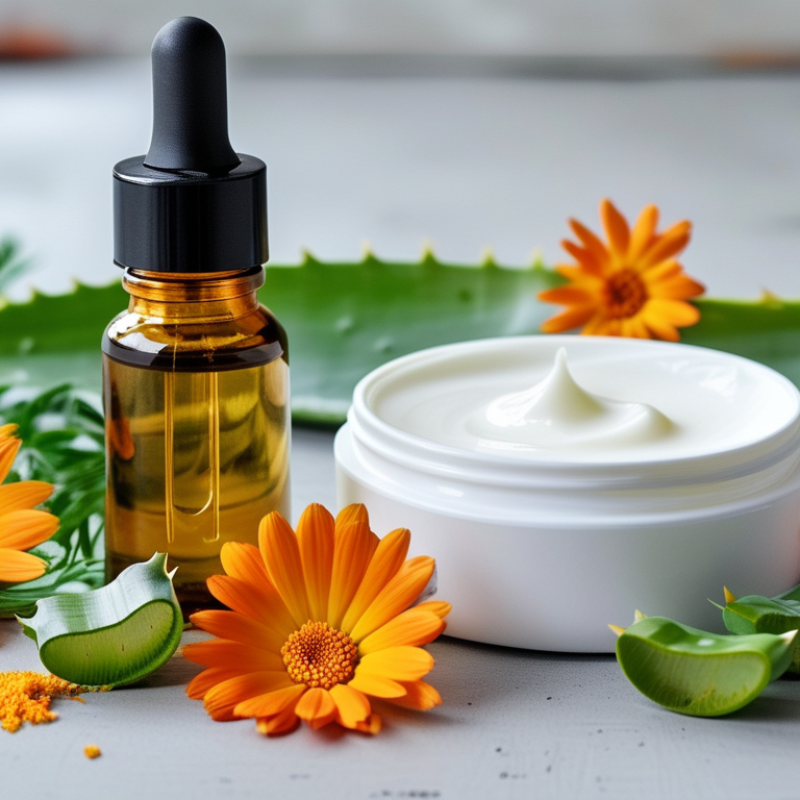
Sensitive skin requires special care, and choosing the right soothing agents is crucial. Look for ingredients like aloe vera, chamomile, and calendula. These natural components have calming properties that can alleviate redness and irritation. Aloe vera is well-known for its hydrating and anti-inflammatory benefits. It helps repair the skin barrier and offers immediate relief.
Chamomile is another wonderful option. Its extracts are often used in skincare for their anti-inflammatory and antioxidant properties. It can reduce sensitivity and promote healing. Calendula, derived from marigold flowers, also brings soothing effects. It can be particularly effective for dry and itchy skin, helping to nourish and restore comfort.
While these ingredients are effective, it's important to remember that skin responds differently to various substances. Conduct patch tests and monitor your skin’s reactions. Some may react unexpectedly, even to natural remedies. The journey to finding the best soothing ingredients may involve trial and error. Balancing care and attentiveness can lead to a more serene skin experience.
Essential Moisturizers: Hydration Solutions for Delicate Skin
Sensitive skin requires special attention when it comes to hydration. Essential moisturizers can make a significant difference. Look for ingredients like hyaluronic acid and glycerin. These components attract moisture and help keep the skin plump and hydrated. They are non-irritating and suitable for delicate skin types.
Incorporating soothing agents like aloe vera and chamomile can further enhance effectiveness. Aloe vera provides a calming effect, while chamomile helps reduce inflammation. Both are excellent for alleviating discomfort. However, it's essential to test products before full use, as reactions can occur even with gentle ingredients. Monitor your skin’s response carefully.
Finally, consider texture when choosing moisturizers. Creams and balms can create a barrier against moisture loss. Gel-based products feel light and refreshing, ideal for oily skin. Experiment with different options to find what works best for you. Adjusting your skincare routine can lead to better results and healthier skin.
Natural Extracts: Plant-Based Ingredients for Sensitivity Relief
Sensitive skin requires careful selection of ingredients. Natural extracts from plants provide gentle care without irritation. According to the Journal of Dermatological Science, plant-based ingredients have shown significant benefits for calming sensitivity. Infusing skincare with soothing botanicals can reduce redness and enhance hydration.
One valuable ingredient is chamomile extract, renowned for its anti-inflammatory properties. Studies indicate that chamomile can alleviate discomfort and bolster the skin’s barrier function. Similarly, aloe vera is another popular choice, known for its cooling properties. It contains polysaccharides that help retain moisture, vital for sensitive skin types.
Moreover, green tea extract has gained attention due to its rich antioxidants. These compounds combat oxidative stress and protect the skin. A report published in the International Journal of Cosmetic Science emphasizes the efficacy of green tea for reducing irritations. However, it's essential to acknowledge that not all natural ingredients will suit everyone. Personal reactions can vary, making patch tests vital to prevent potential allergic responses.
Avoiding Irritants: What to Exclude from Your Skincare Routine
Sensitive skin requires careful attention to avoid irritants. Many ingredients can trigger reactions, so understanding what to exclude is vital. Alcohols, fragrances, and dyes are common offenders. They may cause dryness, redness, or even rashes. Choose products that emphasize "fragrance-free" and "dye-free" on their labels to minimize risk.
Natural oils and certain botanical extracts can soothe sensitive skin. However, even natural ingredients can irritate. Avoid essential oils like eucalyptus or peppermint, as they can be too strong. Instead, look for calming agents like chamomile or oat extracts. These ingredients can help provide relief without causing harm.
When building your skincare routine, consider patch testing new products before full use. This can help identify potential irritants early on. Maintaining a minimalistic approach can also benefit sensitive skin. Fewer products mean fewer chances for irritation. Reassess your routine regularly; what worked yesterday may not suit your skin today.
Best Ingredients for Sensitive Skin
FAQS
: Choose moisturizers with hyaluronic acid and glycerin. They draw in moisture and keep skin hydrated.
Aloe vera calms irritation, while chamomile reduces inflammation. Both enhance skin hydration effectively.
Reactions can occur even with gentle ingredients. Testing helps ensure compatibility with your skin type.
Gel-based products feel light and refreshing. They are ideal for oily skin types.
Chamomile has anti-inflammatory properties. It can relieve discomfort and improve skin barrier function.
Not all natural ingredients suit everyone. Patch tests are crucial to identify potential allergic reactions.
Green tea is rich in antioxidants. It combats oxidative stress and protects the skin from irritation.
Experiment with different products and textures. Finding what works best may lead to healthier skin.
Yes, they create a barrier to prevent moisture loss. They can be beneficial for dry, sensitive skin.
Pay attention to your skin’s reaction. Discomfort or irritation should prompt a reevaluation of the product.
Conclusion
When considering what ingredients are best for sensitive skin, it is essential to first identify common characteristics and triggers associated with this skin type. Individuals with sensitive skin often experience redness, irritation, and dryness, which can be exacerbated by environmental factors or harsh products. To alleviate these issues, key soothing agents such as chamomile, aloe vera, and calendula can be incredibly beneficial, providing calming effects.
In addition to soothing agents, effective moisturizers are crucial for maintaining hydration in delicate skin, while natural extracts from plants offer additional relief from sensitivity. Ingredients like oatmeal and green tea can enhance skin tolerance and comfort. Furthermore, it is vital to avoid irritants, such as synthetic fragrances and harsh alcohols, which can worsen sensitivity. By selecting products with these beneficial components and steering clear of harmful additives, individuals can establish a skincare routine that supports and protects their sensitive skin.

 Nativis Beauty