Body care is no longer an afterthought reserved for summer or special occasions. Clean, comfortable skin supports daily movement, sleep, and confidence. But why does body care matter for skin health? The answer begins with the skin barrier, which helps limit moisture loss and protects against irritants, friction, and environmental stress. Dry elbows, rough knees, and tight skin after a shower can signal that this barrier needs more thoughtful support.
The 2026 top body care products reflect a practical shift toward gentle, evidence-informed routines. Fragrance-free cleansers, barrier-supporting lotions, exfoliating treatments, and broad-spectrum sunscreen each serve different purposes. Ingredients such as ceramides, glycerin, urea, and colloidal oatmeal have established roles in hydration and skin comfort. However, a premium label does not guarantee better results. A simple lotion used consistently may outperform an expensive product left unopened.
Consistency matters most.
From hands washed repeatedly to heels pressed into shoes, real body care begins with observing everyday details. Apply moisturizer to slightly damp skin after bathing. Use exfoliants carefully, especially when skin feels stinging or visibly irritated. Patch testing can reduce surprises, although it cannot predict every reaction. Dermatologists generally recommend adjusting routines according to skin type, climate, age, and existing conditions. Personal experience helps, but it should not replace qualified medical advice.
Some recommendations remain imperfect. Product formulas change, research continues, and “natural” does not always mean gentle. This guide examines popular body care choices with a balanced perspective, focusing on ingredients, use cases, safety, and realistic results. Healthy skin is not flawless skin. It is skin that feels supported, resilient, and understood.
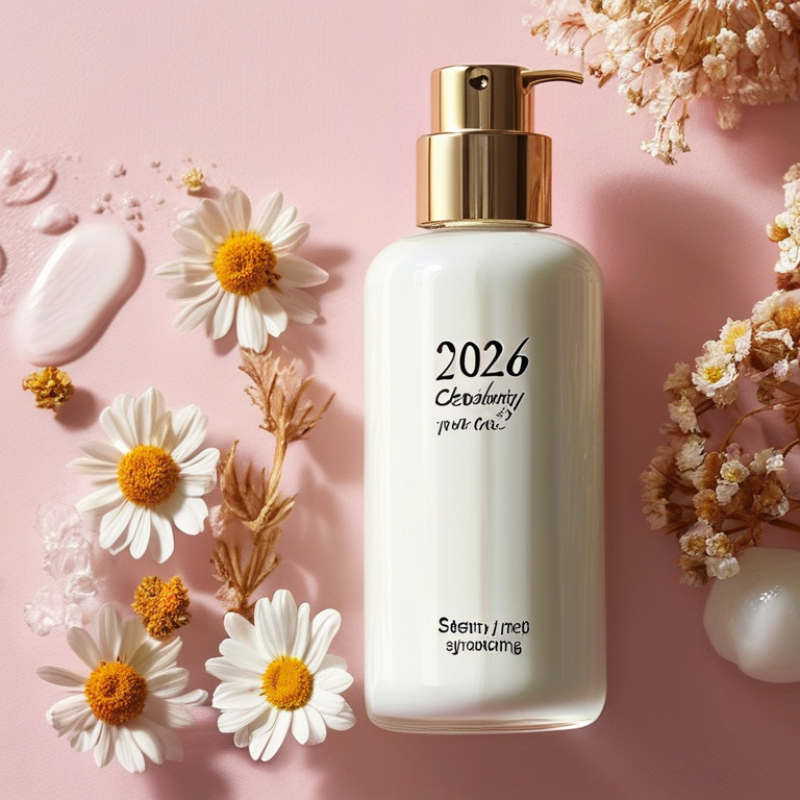
Body care is the daily practice of cleaning, moisturizing, protecting, and observing the skin on your body. It includes simple actions, such as washing after exercise, drying carefully, and applying lotion to dry areas. The skin is a living barrier. It helps reduce water loss and protects against everyday environmental exposure.
Why does body care matter? Consistent care can improve comfort, support the skin barrier, and reduce roughness caused by weather, friction, or frequent washing. A warm shower may feel relaxing, but very hot water can leave skin tight and uncomfortable. Mild products and short showers are often more practical. The best routine is not always the longest one.
In my experience, dry elbows, cracked heels, and irritation around clothing seams often reveal neglected details. Small areas matter. I once assumed heavy moisturizing was always better, but that approach felt sticky and encouraged me to stop using it. A lighter formula worked more consistently. Personal results can differ, so careful observation is important. Introduce one new product at a time, and test a small area first. Persistent itching, swelling, pain, or unusual changes deserve professional medical advice. Body care is useful, but it cannot replace proper diagnosis.
Body care supports skin health by protecting the body’s natural barrier. This barrier helps reduce water loss and shields skin from friction, sweat, and environmental irritants. After a warm shower, I notice tightness around my elbows and shins when I skip moisturizer. That small signal matters.
A gentle cleanser can remove sweat without leaving the skin squeaky or dry. Lukewarm water is usually kinder than very hot water, especially for sensitive skin. Patting the body dry preserves some surface moisture. Apply a fragrance-free moisturizer while the skin is still slightly damp. Ingredients such as glycerin, ceramides, and petrolatum may help support hydration, though no formula suits everyone.
Daily comfort also depends on practical details. Loose, breathable clothing can reduce rubbing around the underarms and thighs. Sunscreen remains important on exposed areas, including the neck, shoulders, and hands. I used to scrub rough patches aggressively, believing discomfort meant effectiveness. It often made the irritation worse. Less can be better.
Persistent itching, cracking, swelling, or painful rashes deserve professional attention. Body care is not a substitute for medical diagnosis. Skin also changes with weather, age, medication, and bathing habits, so a routine may need adjustment. I still forget to moisturize some evenings, especially after exercise. Consistency is useful, but perfection is unrealistic.
2026 Top Body Care Products: Why Does Body Care Matter?
Key Ingredients Found in Effective Body Care Products
Effective body care starts with ingredients that support the skin barrier, not promises printed on a bright bottle. Glycerin draws water into the outer skin, while ceramides help reduce moisture loss. Petrolatum forms a protective layer, especially on rough elbows, cracked heels, and hands. These ingredients are simple, but their value depends on regular use and a comfortable texture. I notice better results when I apply moisturizer after showering, while my skin is still slightly damp. That small habit matters.
For dry, thickened skin, urea and lactic acid can soften built-up surface cells and improve smoothness. However, stronger formulas may sting after shaving or on irritated skin. Colloidal oatmeal can calm temporary discomfort, and niacinamide may support barrier function without heavy greasiness. Dermatology guidance generally favors fragrance-free products for sensitive skin, because fragrance can trigger irritation in some users. Still, “natural” does not automatically mean gentle. I learned this after assuming a botanical scent would feel soothing. It did not.
An effective formula should match the body area, season, and skin condition. A lightweight lotion may suit humid weather, while a cream or ointment works better in winter. Read the ingredient list, but do not ignore personal response. Patch testing a small area for several days can reveal redness, burning, or itching before wider use. No ingredient works perfectly for everyone, and even a well-designed product can disappoint. People with persistent rashes, painful cracks, or sudden changes should seek advice from a qualified healthcare professional.
Key ingredients commonly found in effective body care products and their evidence-based roles in supporting healthy skin.
| Ingredient | Ingredient Type | Primary Skin Benefit | How It Works | Best Suited For | Typical Product Formats | Evidence Level | Use Considerations |
|---|---|---|---|---|---|---|---|
| Glycerin | Humectant | Helps improve skin hydration and softness. | Attracts and helps retain water in the outer layer of the skin. | Dry, tight, rough, or dehydrated skin. | Body lotions, creams, washes, and hand products. | Strong support | Generally well tolerated; works well when applied regularly to slightly damp skin. |
| Ceramides | Barrier lipid | Supports the skin barrier and helps reduce moisture loss. | Helps replenish lipid components naturally present in the outer skin barrier. | Dry, sensitive, or barrier-impaired skin. | Body creams, lotions, and barrier-repair balms. | Strong support | Usually suitable for daily use; fragrance-free formulas may be preferable for sensitive skin. |
| Urea | Humectant and keratolytic | Hydrates dry skin and softens thick, rough areas. | Lower concentrations attract water; higher concentrations help loosen excess surface scale. | Very dry skin, cracked heels, rough elbows, and keratosis-prone areas. | Foot creams, body lotions, and intensive treatments. | Strong support | May sting on cracked or irritated skin, especially at higher concentrations. |
| Lactic Acid | Alpha hydroxy acid | Smooths rough texture while providing hydration. | Exfoliates bonds between surface cells and also functions as a humectant. | Rough, uneven, or keratosis-prone body skin. | Body lotions, smoothing creams, and exfoliating treatments. | Good support | Can increase sensitivity to sunlight; introduce gradually and use sun protection on exposed skin. |
| Salicylic Acid | Beta hydroxy acid | Helps unclog pores and reduce rough, flaky buildup. | loosens dead skin cells and is oil-soluble, allowing it to work within pores. | Body acne, clogged pores, and rough follicular bumps. | Body washes, lotions, and targeted treatments. | Good support | May cause dryness or irritation; avoid applying to large areas of broken or inflamed skin. |
| Colloidal Oatmeal | Soothing protectant | Helps soothe itching, dryness, and minor irritation. | Forms a protective layer and contains compounds that support skin comfort. | Dry, itchy, sensitive, or eczema-prone skin. | Bath products, creams, lotions, and soothing balms. | Good support | Check the ingredient list if there is a known oat allergy or sensitivity. |
| Petrolatum | Occlusive | Reduces water loss and protects dry or compromised skin. | Creates a semi-occlusive layer over the skin surface. | Very dry, chapped, cracked, or barrier-damaged areas. | Ointments, balms, intensive creams, and protective products. | Strong support | Highly effective for reducing moisture loss; may feel heavy or greasy for some users. |
| Niacinamide | Vitamin B3 derivative | Supports barrier function and may help improve uneven tone. | Supports production of skin-barrier components and helps regulate several cellular processes. | Dry, sensitive, uneven-toned, or environmentally stressed skin. | Body lotions, serums, creams, and targeted treatments. | Good support | Typically well tolerated; patch testing is useful when using a new active formula. |
| Shea Butter | Emollient and occlusive | Softens rough skin and helps reduce dryness. | Supplies lipid-like emollients that smooth the surface and help limit moisture loss. | Dry, rough, or mature body skin. | Body butters, creams, balms, and body lotions. | Moderate support | Rich textures may feel occlusive; assess individual tolerance on acne-prone areas. |
| Dimethicone | Silicone-based protectant | Smooths skin and helps protect against friction and moisture loss. | Creates a breathable protective film that improves slip and reduces surface roughness. | Dry, irritated, friction-prone, or sensitive skin. | Lotions, creams, barrier products, and anti-chafing treatments. | Good support | Generally considered non-irritating and non-comedogenic in cosmetic use. |
Note: Ingredient performance depends on concentration, formulation, frequency of use, and individual skin condition. Patch testing is recommended for new products, and persistent or severe skin symptoms should be assessed by a qualified healthcare professional.
Body care matters because skin faces friction, sweat, weather, and frequent washing every day. A practical routine starts with your skin’s current condition, not attractive packaging. For dry skin, choose a fragrance-free cream with glycerin, ceramides, or shea butter. These ingredients help support moisture retention. For rough areas, a gentle exfoliating lotion may help. Use it carefully, because more exfoliation is not always better.
Sensitive skin needs fewer products and simpler formulas. Look for clear ingredient lists and avoid products that sting during application. If body acne is your concern, consider a non-comedogenic cleanser and lightweight moisturizer. People with uneven tone should use daily sun protection on exposed areas. My experience is that consistency usually matters more than a crowded bathroom shelf. Still, skin can react unexpectedly. Patch testing remains a sensible step.
Tips: Match products to one clear need. Apply moisturizer after bathing, while skin is slightly damp. Introduce one new product at a time. Stop using it if persistent redness, swelling, or discomfort appears, and seek qualified medical advice when needed. Keep notes for two weeks. They may reveal that your “perfect” routine was simply too complicated. Temperature, exercise, and clothing can also change how your skin responds.
2026 Top Body Care Products: Why Does Body Care Matter?
Safe and Sustainable Practices for a Better Body Care Routine
Body care matters because skin protects us every day. It also reacts to heat, friction, fragrance, and over-washing. The global body care products market was valued at about USD 27.9 billion in 2023, according to Grand View Research. This growth reflects rising interest, but more products do not always mean better care. A simple routine can be safer and easier to maintain.
Start with lukewarm water and a gentle cleanser. Hot showers may leave skin tight and uncomfortable. Apply moisturizer while the skin is still slightly damp. For sensitive areas, choose fragrance-free formulas and test a small amount first. The American Academy of Dermatology recommends patch testing new skincare products for several days. Small tests prevent avoidable irritation.
Sustainability needs practical choices. Use the correct amount, finish each container, and avoid buying backups you may not use. My routine is not perfectly low-waste. I still overbuy sometimes. However, refillable packaging, recyclable materials, and concentrated products can reduce unnecessary waste. The United Nations Environment Programme reported in 2023 that packaging creates about 40% of global plastic waste. Check local recycling rules, because packaging labels can be confusing. Use fewer products, but use them consistently. That feels more realistic.
Safe and sustainable body care begins with effective sun protection. The chart compares the approximate percentage of UVB radiation filtered by different SPF levels.
Why it matters: Higher SPF levels provide greater UVB protection, but no sunscreen blocks 100% of UVB radiation. Apply enough broad-spectrum sunscreen, reapply after swimming or sweating, and choose packaging that can be reused or recycled where local facilities accept it.
Data source: U.S. Food and Drug Administration guidance on SPF and UVB protection. Values are approximate: SPF 15 filters 93%, SPF 30 filters 97%, SPF 50 filters 98%, and SPF 100 filters 99% of UVB radiation.
: Body care means cleaning, moisturizing, protecting, and observing your skin regularly. Dry carefully after washing. Small areas matter too.
It supports the skin barrier and may reduce dryness caused by weather, friction, and frequent washing. Consistency helps more than complexity. I sometimes forget my elbows.
Apply a fragrance-free moisturizer after bathing, while your skin remains slightly damp. Creams may suit winter better than light lotions. Do not overapply.
Very hot water may feel relaxing, but it can leave skin tight and uncomfortable. Use warm water and keep showers reasonably short. Comfort can mislead you.
Glycerin helps attract water, while ceramides and petrolatum help reduce moisture loss. Urea and lactic acid may smooth thick, rough areas. Stronger formulas can sting.
Choose fewer products with simple, fragrance-free formulas. Avoid anything that burns or causes repeated irritation. “Natural” is not always gentle.
Moisturizers with protective ingredients may soften rough elbows, heels, and hands. Apply them consistently, especially after bathing. Results may take time.
Apply a small amount to one area for several days before wider use. Watch for redness, itching, burning, or swelling. My earlier routine was too complicated.
Stop using the suspected product if discomfort persists or worsens. Seek qualified medical advice for painful cracks, swelling, persistent itching, or unusual changes. Body care cannot replace diagnosis.
Match products to one clear need, your skin condition, the season, and the body area. Keep brief notes for two weeks. Your “perfect” routine may be excessive.
Body care is an essential part of a healthy daily routine because it supports the skin beyond the face. This guide explains why does body care matter for skin health and how regular cleansing, moisturizing, gentle exfoliation, and sun protection can help maintain the skin barrier, improve comfort, and reduce dryness, rough texture, and irritation. Consistent body care also encourages people to notice changes in their skin and choose products more thoughtfully.
The 2026 guide explores useful ingredients such as ceramides, glycerin, hyaluronic acid, plant-based oils, and soothing agents, while explaining how to select products for sensitive, dry, oily, or uneven skin. It also highlights practical habits, including patch testing, avoiding over-exfoliation, applying moisturizer to damp skin, and following a simple routine that suits individual needs. Finally, the guide encourages safer and more sustainable choices, such as transparent ingredient information, responsible packaging, mindful product use, and routines that benefit both personal well-being and the environment.

Nativis Beauty