2026 Best Time to Shower for Skin Health

Time:2026-10-05 Author:Henry
0%

In 2026, the question is not simply what is the best time to shower for skin health. It depends on your skin barrier, daily activity, climate, and evening routine. The American Academy of Dermatology recommends short showers, usually five to ten minutes, with warm rather than hot water. This guidance reflects a practical concern: prolonged heat can remove surface oils and increase dryness, tightness, and irritation.

For many people, an evening shower offers a sensible starting point. It can wash away sweat, sunscreen, pollution, and workplace residue before bedding touches the skin. A morning shower may suit athletes, oily skin, or anyone who sweats heavily overnight. There is no universal clock time. Your skin often gives clearer evidence than a wellness trend.

The National Eczema Association also emphasizes gentle cleansers, lukewarm water, and immediate moisturization after bathing. Apply cream while the skin still feels slightly damp. Do not wait until it feels tight.

Small details matter.

A harsh towel can undo careful cleansing. Scrubbing every day may feel refreshing, yet it can worsen sensitivity. Dermatology guidance supports consistent habits, but individual responses remain important. Some claims about “perfect” shower timing are stronger than the available research. Evening bathing may support cleanliness and relaxation, but it is not automatically better for every skin type. This guide uses professional dermatology recommendations, skin-barrier research, and realistic daily experience to examine the best timing for healthier skin.
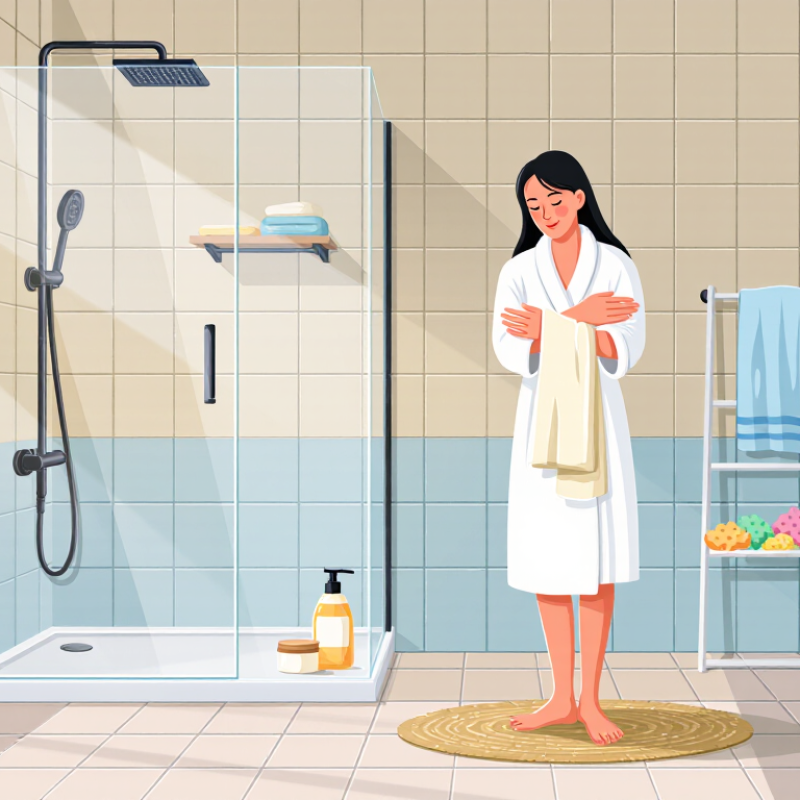
2026 Best Time to Shower for Skin Health

What Shower Timing Means for Skin Health

2026 Best Time to Shower for Skin Health

What Shower Timing Means for Skin Health

The best shower time depends on your skin, schedule, and daily exposure. An evening shower can remove sweat, sunscreen, pollen, and city particles before they reach your pillow. Morning showers may feel refreshing, but they are not automatically healthier. After exercise, shower soon rather than waiting for bedtime. Damp sweat can irritate sensitive areas.

Water temperature matters more than the clock. The American Academy of Dermatology recommends warm, not hot, water and limits showers to about five to ten minutes. The National Eczema Association gives similar guidance for eczema-prone skin. Hot, extended showers can weaken the skin barrier and increase dryness. Apply a fragrance-free moisturizer within a few minutes, while skin still feels slightly damp. That small window is easy to miss.

Tips: Keep the bathroom warm, but avoid steam-room heat. Cleanse only sweaty or oily areas when possible. Pat skin dry instead of rubbing it. If your face feels tight after a morning shower, move the shower to evening or lower the temperature. I once assumed longer showers meant cleaner skin. That was probably wrong. Skin health is personal, and even good advice needs testing. Track itching, tightness, redness, and breakouts for two weeks. A dermatologist should assess persistent irritation, cracking, or painful rash.

How Morning and Evening Showers Affect the Skin

Morning and evening showers affect skin differently, but neither timing is universally superior. The American Academy of Dermatology recommends warm, not hot, water and showers lasting five to ten minutes. Longer exposure can remove surface lipids, leaving cheeks tight and hands rough. A cooler morning shower may reduce overnight sweat and oil, especially after exercise. However, scrubbing aggressively can damage the barrier more than the time of day.

Evening showers may help remove sunscreen, pollution, and sweat before bed. This matters when residue collects around the nose, hairline, and neck. A 2019 meta-analysis in Sleep Medicine Reviews examined 17 studies and found that warm bathing one to two hours before bedtime improved sleep onset and sleep quality. Better sleep may support skin recovery, but the study measured sleep, not acne or eczema. The connection is plausible, not proven.

Water temperature matters more than the clock. After showering, gently pat the skin and apply moisturizer while it still feels slightly damp. Clinical guidance from the National Eczema Association favors short, lukewarm bathing for dry or eczema-prone skin. That advice is useful, though personal tolerance varies. My own routine would change after sweating, swimming, or using a harsh cleanser. A nightly shower is not automatically healthier.

2026 Best Time to Shower for Skin Health

How morning and evening showers affect the skin

Current dermatology guidance does not establish that morning or evening showers are inherently better for skin health. Skin comfort and barrier support depend more on using lukewarm water, keeping showers brief, choosing a gentle cleanser, and applying moisturizer soon after patting the skin dry. Evening showers may help remove sweat, sunscreen, and daily pollutants before bed, while morning showers can be convenient for refreshing the skin.

Choosing the Best Shower Time for Different Skin Types

2026 Best Time to Shower for Skin Health

Choosing the best shower time depends more on skin type than the clock. For dry or eczema-prone skin, evening showers can remove pollen, sweat, and urban dust before bed. The American Academy of Dermatology recommends lukewarm water and limiting showers to five or ten minutes. Apply moisturizer while skin remains slightly damp. That small timing detail matters.

Oily or acne-prone skin may benefit from a morning shower, especially after overnight sweating. A second brief rinse after exercise can remove sweat and friction-related residue. The AAD advises washing acne-prone skin after sweating, but scrubbing harder is not better. It can increase irritation and oiliness. Keep the water warm, not hot.

Sensitive skin needs the gentlest schedule. Shower after exposure to irritants, but avoid repeated washing when it is unnecessary. The National Eczema Association also emphasizes short, lukewarm bathing and immediate moisturization. In practice, skin can feel tight even after a “healthy” shower. That is worth noticing. Research does not support one universal shower time, and individual routines remain imperfect. A night shower may help one person sleep, while another may wake with less dryness after morning bathing. Track tightness, redness, and flare-ups for two weeks. Adjust slowly.

2026 Best Time to Shower for Skin Health - Choosing the Best Shower Time for Different Skin Types

Practical shower-timing guidance based on skin needs, daily activity, and barrier-supportive habits

Skin Type or Concern Generally Suitable Shower Time Recommended Water Temperature Suggested Duration Helpful Routine Why It May Help
Dry or Dehydrated Skin Evening, or whenever the skin is exposed to sweat or dirt Lukewarm; avoid very hot water 5–10 minutes Use a gentle, fragrance-free cleanser mainly on odor-prone areas; apply a thick moisturizer immediately after patting dry Short, lukewarm showers and prompt moisturization help reduce moisture loss and support the skin barrier
Oily or Acne-Prone Skin After exercise or heavy sweating; evening is useful for removing daily buildup Lukewarm 5–10 minutes Cleanse gently without scrubbing; rinse sweat soon after exercise; avoid repeatedly washing the same area Removing sweat and excess oil can reduce irritation, while gentle cleansing avoids excessive dryness that may worsen sensitivity
Sensitive or Easily Irritated Skin A consistent time that does not interfere with sleep; after sweating when necessary Comfortably lukewarm 5 minutes or less when possible Choose fragrance-free products; avoid loofahs, rough towels, and vigorous rubbing; moisturize after showering Reducing heat, friction, fragrance, and prolonged water exposure may lower the risk of stinging and irritation
Eczema-Prone Skin Evening can be convenient, especially when followed by prescribed or routine moisturization Lukewarm, never hot 5–10 minutes Use a mild, fragrance-free cleanser; pat dry; apply an emollient within a few minutes while skin is still slightly damp A brief lukewarm shower followed by immediate moisturization helps limit dryness and supports barrier care
Combination Skin Evening or after exercise, depending on sweat and environmental exposure Lukewarm 5–10 minutes Cleanse the oilier areas gently and moisturize drier areas; avoid trying to remove all facial oil A balanced routine can clean sweat and surface oil without stripping already-dry areas
Normal or Balanced Skin Morning or evening; choose the time that fits activity and personal comfort Lukewarm to mildly warm 5–10 minutes Use a gentle cleanser as needed and moisturize if the skin feels tight after bathing There is no universal medically required shower time; consistency and gentle habits matter more than the clock
After Exercise or Heavy Sweating As soon as reasonably practical after cooling down Lukewarm 5–10 minutes Rinse sweat from the skin, change out of damp clothing, and cleanse gently rather than scrubbing Prompt cleansing removes sweat, salt, and friction-related residue that may contribute to irritation or breakouts
Before Bed Approximately 1–2 hours before bedtime if a warm shower helps you relax Warm but not hot 5–10 minutes Keep the routine brief, dry gently, moisturize, and allow the body to cool before sleep A warm pre-bed shower may support relaxation and sleep for some people, but it should not be hot or long enough to dry the skin
General skin-health guidelines: Use lukewarm water, keep showers brief, avoid vigorous scrubbing, and apply moisturizer while the skin is still slightly damp. Shower frequency should reflect sweat, dirt, climate, and personal needs rather than a fixed universal rule. Persistent itching, painful rashes, cracking, or worsening acne should be assessed by a qualified healthcare professional.

Water Temperature and Shower Length for Healthy Skin

2026 Best Time to Shower for Skin Health

Water temperature and shower length matter more than a perfect shower schedule. The American Academy of Dermatology recommends warm water and showers lasting five to ten minutes. Hot water can remove surface oils, leaving cheeks tight and hands rough. A practical target is lukewarm water, around 37–38°C. Your skin should feel comfortable, not flushed or prickly. Steam may feel relaxing, but it is not proof of better cleansing.

The National Eczema Association also advises short, lukewarm showers for eczema-prone skin. After washing, gently pat dry and apply moisturizer while the skin remains damp. The AAD recommends moisturizing within three minutes. Timing still has a role: an evening shower can remove sweat, sunscreen, and city particles before bed. Yet morning showers may suit people who sweat heavily overnight. There is no universal “best” hour. I sometimes stay too long because hot water feels calming. That habit is worth questioning.

Tips: Set a ten-minute timer. Keep water below a steaming temperature. Use a soft cloth, not vigorous scrubbing. Cleanse only areas that need it, such as the underarms and feet. If skin feels tight afterward, reduce heat or shorten the shower. Persistent itching, cracking, or redness deserves advice from a qualified dermatology professional.

A Step-by-Step Shower Routine for Skin Protection

The best shower time in 2026 is not a fixed clock. It depends on sweat, weather, and your skin barrier. For many people, an evening shower removes sunscreen, pollution, and daily sweat before bed. After exercise, rinse soon, especially around the neck and chest. The American Academy of Dermatology recommends keeping showers to five or ten minutes. That limit helps reduce moisture loss. Water should feel comfortably warm, never steaming hot.

Follow a simple protection routine. Close the bathroom door to hold gentle humidity. Wet your skin briefly, then use a mild, fragrance-free cleanser. Apply it mainly to the underarms, groin, feet, and visibly dirty areas. Do not scrub until your skin squeaks. Keep the shower under ten minutes. Rinse carefully, because leftover cleanser can irritate sensitive patches. Pat your skin with a soft towel. Leave it slightly damp. The National Eczema Association supports this “soak and seal” approach and recommends moisturizing within three minutes.

My own routine is not perfect. I sometimes stay too long after a tiring day. That feels relaxing, but my legs become tight afterward. A cooler final rinse helps me, although it is not a universal solution. Choose a plain moisturizer without added fragrance. If redness, cracking, or persistent itching continues, seek professional medical advice. Skin signals can be subtle. Pay attention.

FAQS

Is an evening shower better for skin health?

Often, yes. It can remove sweat, sunscreen, pollen, and city particles before they reach your pillow. Morning showers may still suit people who sweat heavily overnight.

Should I shower immediately after exercise?

Yes, shower soon after exercising. Damp sweat can irritate sensitive areas, especially skin folds. Waiting until bedtime may leave salt and moisture against your skin.

What water temperature is safest?

Choose lukewarm water, around 37–38°C. Your skin should feel comfortable, not flushed or prickly. Steaming water feels relaxing, but it may worsen dryness.

How long should a shower last?

Aim for five to ten minutes. A ten-minute timer can help. Longer showers may remove protective oils and leave cheeks tight or hands rough.

Should people with sensitive skin shower differently?

They may need shorter, lukewarm showers. Cleanse sweaty or oily areas instead of scrubbing the whole body. Skin does not need punishment.

When should I apply moisturizer?

Apply a fragrance-free moisturizer within three minutes of drying. Pat your skin gently, leaving it slightly damp. That small window is easy to miss.

Can changing shower time reduce tightness or breakouts?

It might. Try evening showers or lower temperatures for two weeks. Track tightness, itching, redness, and breakouts instead of guessing.

Is vigorous scrubbing necessary for cleaner skin?

Usually not. Use a soft cloth and gentle movements. I once thought longer showers meant cleaner skin, but that assumption was probably wrong.

When should I seek professional advice?

Persistent itching, cracking, redness, or a painful rash deserves dermatology advice. A single uncomfortable shower may not mean much. Repeated symptoms matter.

Conclusion

Shower timing can influence skin health by affecting moisture levels, oil balance, and the skin barrier. Morning showers may help remove sweat and oil accumulated overnight, while evening showers can wash away dirt, pollutants, and sunscreen before bed. The answer to “what is the best time to shower for skin health” depends on your skin type and daily routine. People with oily or acne-prone skin may prefer a morning shower or a rinse after exercise, while those with dry or sensitive skin may benefit from a short evening shower that supports overnight recovery.

Regardless of timing, use lukewarm rather than hot water and keep the shower brief to reduce dryness and irritation. Choose gentle, fragrance-free cleansing products, focus on areas that need cleansing, and avoid scrubbing aggressively. After rinsing, pat the skin dry instead of rubbing and apply moisturizer while the skin is still slightly damp. This simple routine helps protect the skin barrier and maintain comfortable, healthy-looking skin.

Henry

Henry

Henry is a dedicated marketing professional with a profound expertise in the company's offerings. With years of experience in the industry, he possesses an impressive understanding of the market dynamics and consumer behaviors that drive success. Henry is committed to sharing his insights through......